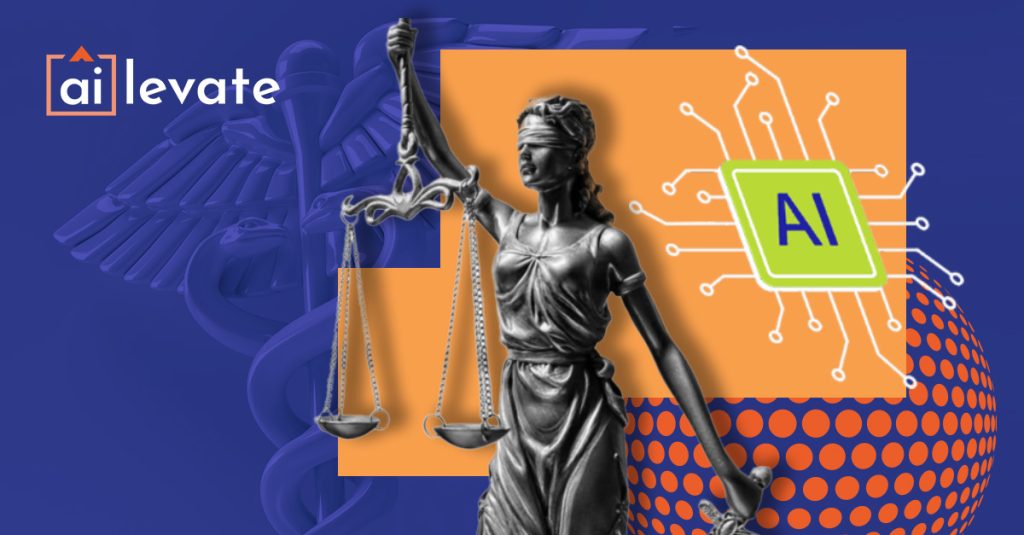
Artificial Intelligence (AI) is rapidly transforming healthcare operations, affecting everything from clinical decision support to administrative workflows like revenue cycle management (RCM). However, as adoption accelerates, regulators are intervening to ensure that innovation does not outpace safety and accountability. The FDA’s proposed framework for AI oversight introduces new guidelines that could significantly impact vendors and hospitals implementing intelligent automation in RCM.
What’s Changing? The FDA’s Risk-Based Framework
In early 2025, the FDA released draft guidance outlining a risk-based credibility assessment framework for AI models used in healthcare. This guidance emphasizes lifecycle management, transparency, and continuous monitoring of AI-enabled tools. It presents a seven-step process for defining the context of use, assessing model risk, and establishing credibility both before and after deployment.
For medical devices and software, the FDA is promoting Predetermined Change Control Plans (PCCPs), which allow vendors to make iterative updates to AI algorithms without needing to reapply for full approval—provided changes remain within verified safety parameters (Digicorp Health). This flexibility is crucial for adaptive AI systems that learn over time, but it also introduces new compliance obligations for vendors.
Implications for Revenue Cycle Management
While the FDA’s guidance primarily targets clinical AI, its principles of risk assessment, transparency, and lifecycle oversight are also applicable to administrative AI applications, including RCM. Hospitals and vendors using AI for coding, claims processing, and denial management must now consider:
- Validation and Bias Testing: The FDA and organizations like the American Heart Association emphasize rigorous local validation and bias assessment before deployment. Yet, a recent advisory revealed that only 61% of hospitals validate predictive AI tools using local data, raising concerns about fairness and accuracy.
- Continuous Monitoring: AI performance can change over time due to shifts in payer rules or patient demographics. Vendors must implement monitoring protocols and establish retraining thresholds to maintain compliance and effectiveness (QuadOne Compliance Guide).
- Data Governance: With HIPAA and emerging AI-specific regulations, hospitals must have robust data privacy and cybersecurity measures in place. Unauthorized tools, often referred to as “shadow AI,” pose significant compliance risks, with the average breach cost in healthcare amounting to $7.42 million (Guardrail Compliance Report).
The Bottom Line
The FDA’s proposed framework marks the beginning of a new era of responsible AI in healthcare, where innovation must coexist with accountability. For hospitals and vendors in revenue cycle management, these guidelines represent more than just regulatory compliance; they serve as a roadmap for sustainable and trustworthy automation.
Explore How Ailevate Supports Smarter Revenue Cycle Strategies
AI is reshaping how hospitals manage claims and reimbursements, but navigating compliance and operational challenges requires more than technology—it demands insight. At Ailevate, we share practical guidance and research to help healthcare organizations understand the role of AI in revenue recovery, regulatory guardrails, and best practices for sustainable automation.
Discover our insights on AI in revenue cycle management.
OR…
See how Ailevate Revenue Recovery can help you
Ailevate’s Revenue Recovery solution empowers healthcare organizations to navigate the complexities of denials with AI-driven solution tailored for rural and community hospitals.
By streamlining denial management and offering clear, data-driven insights, Ailevate Revenue Recovery helps providers reduce administrative burden, accelerate reimbursements, and safeguard financial stability—so they can stay focused on what matters most: patient care.